


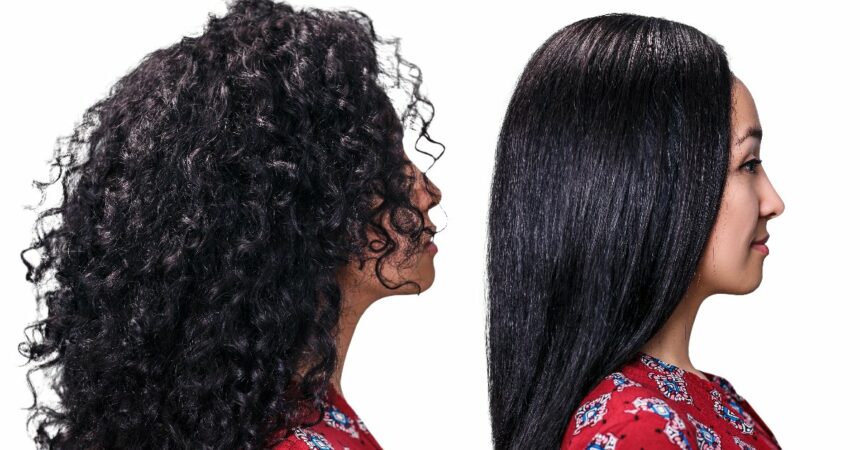
October 18, 2022 – Global News: A new study by the National Institutes of Health has found that women who use hair-straightening chemicals are at higher risk for uterine cancer than those who don’t.
The study found that of the 33,497 participants, those who used chemical products designed to straighten their hair more than four times a year were more than twice as likely to develop uterine cancer. The researchers followed a large group of women, between the ages of 35 and 74, for 11 years. In that time, 378 cases of uterine cancer were diagnosed.
The study estimates that among women who did not use hair-straightening chemical products in the past 12 months, 1.6 percent were diagnosed with uterine cancer by age 70. However, around four percent of women who frequently used the products developed cancer by age 70.
Chandra Jackson, an author of the study and researcher at the National Institute of Environmental Health Sciences (NIEHS), noted that while uterine cancer is rare, the “doubling of risk does lead to some concern.”
“In this study, women with frequent use in the past year had an over two-fold higher risk of uterine cancer,” she told CNN.
Previous and ongoing research has suggested that certain hair products, including hair-straightening chemicals, can be linked to some hormone-driven cancers, like breast and ovarian cancer. This is the first time a study has specifically linked the product to uterine cancer.
The chemicals in many hair-straightening products linked to cancer are known as endocrine-disrupting chemicals.
Researchers, however, did not find a strong relationship between other hair treatments, such as dyes and perms and uterine cancer.
Health experts warn that black women may be more affected due to the higher use of hair-straightening products than their counterparts.
Uterine cancer is the most common cancer of the female reproductive system, and according to the Canadian Cancer Society, rates of uterine cancer in Canada have been rising steadily for the past 30 years.
It is most often seen in women over 50 and is more common in white women. However, anyone with a uterus is at risk of developing uterine cancer.