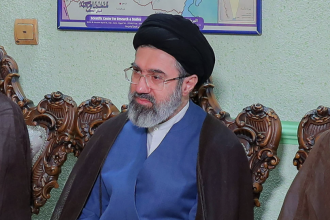


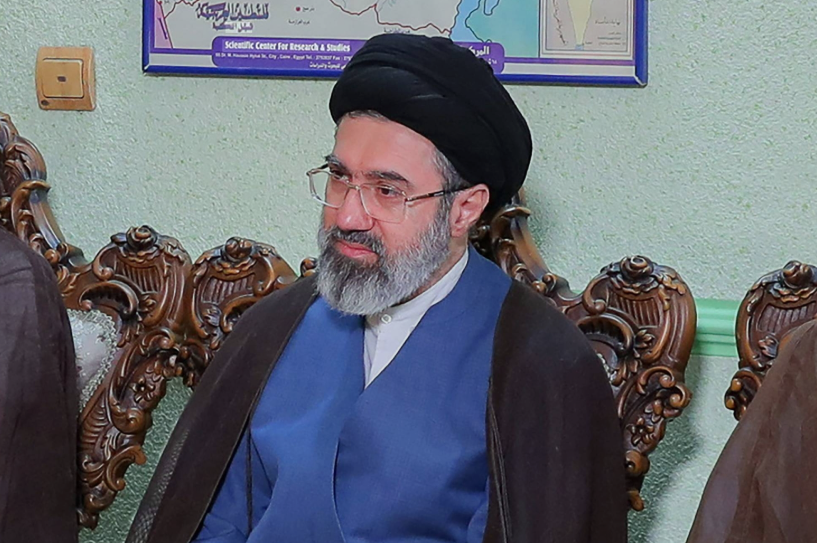
TEHRAN, March 08, 2026: Iran’s Assembly of Experts elected Mojtaba Khamenei as Supreme Leader following Ayatollah Ali Khamenei’s assassination.
Key Developments
Iran’s Assembly of Experts elected Mojtaba Khamenei as the country’s third Supreme Leader.
The decision was made during an extraordinary meeting held under wartime conditions.
The Assembly cited Article 108 of the Iranian Constitution in announcing the decision.
The election followed the assassination of Ayatollah Ali Khamenei in US-Israeli attacks.
The council called on Iranians to “pledge allegiance to the leadership and maintain harmony around the axis of guardianship”.
The transition occurs amid the ongoing US-Israeli war on Iran.
Assembly of Experts Elects New Leader
Iran’s Assembly of Experts announced Sunday that it had elected Mojtaba Khamenei as the new Supreme Leader of the Islamic Republic, making him the third leader in the country’s history.
In a statement, the Assembly said the decision followed extensive deliberations.
The council said the election came “after careful and extensive studies, and by utilizing the powers of Article 108 of the Constitution, and based on the legal duty and belief in standing in the presence of God Almighty.”
According to the statement, the decision was taken during an extraordinary meeting convened under wartime conditions.
The Assembly said Mojtaba Khamenei’s appointment followed “the decisive vote of the representatives of the Assembly of Experts on Leadership.”
It also emphasized the importance of the leadership institution in the Islamic Republic.
The council said the decision reflected the Assembly’s “appreciation of the supreme position of the Guardianship of the Islamic Jurist and the importance of the issue of leadership in the Islamic Republic system.”
The statement also called on the Iranian public, intellectuals, and religious scholars to support the new leadership.
It urged citizens to “pledge allegiance to the leadership and maintain harmony around the axis of guardianship.”
The Assembly also thanked the interim leadership council that assumed responsibilities immediately after the assassination of the previous leader.
Leadership Transition during Wartime
The Assembly said it acted swiftly following the assassination of Ayatollah Ali Khamenei, who was killed during the early days of the ongoing US-Israeli war on Iran.
According to the council’s statement, the leadership body “did not hesitate for a moment in the process of electing and presenting the leader of the Islamic system.”
The Assembly said the process continued “despite the severe wartime conditions, direct threats, and the bombing of the offices of the Secretariat of the Assembly of Experts.”
The statement also condemned what it described as “American-Israeli aggression against Iran.”
It offered condolences for the death of Ayatollah Ali Khamenei and other victims of the attacks, including the schoolgirls killed in the bombing of the Minab school.
Who is Mojtaba Khamenei
Mojtaba Khamenei, born in 1969 in Mashhad, is the second son of the late Supreme Leader Ayatollah Ali Khamenei.
Iranian sources describe him as a religious scholar, war veteran, and longtime adviser within the leadership circle of the Islamic Republic.
Although he has rarely held formal political positions, he has long been viewed as an influential figure within Iran’s political system.
During the Iran-Iraq war, Mojtaba reportedly participated alongside Iranian fighters on the frontlines while still young.
He later pursued religious studies in the seminaries of Qom, the center of Shiite scholarship in Iran.
Iranian parliamentarian Hamid Rasaei said Mojtaba “pursued his seminary studies seriously” under prominent scholars including Mahmoud Hashemi Shahroudi, Mohammad-Taqi Mesbah-Yazdi, and Lotfollah Safi Golpayegani.
He is currently described in Iranian sources as teaching advanced religious courses in the seminary.
Political Networks and Influence
Mojtaba Khamenei is married to Zahra Haddad-Adel, the daughter of prominent Iranian political figure Gholam-Ali Haddad-Adel.
Haddad-Adel previously served as speaker of the Iranian parliament and remains a major figure in Iran’s conservative political and intellectual circles.
Zahra Haddad-Adel was reportedly killed alongside Ayatollah Ali Khamenei during the attack that targeted the leader’s residence at the beginning of the war.
Analysts have long viewed Mojtaba as one of the figures most familiar with the internal workings of the Iranian state.
Political analyst Abdolreza Davari told Iranian outlet Asr-e Iran that Mojtaba Khamenei was “the most likely” among the figures discussed as potential successors.
Davari argued that Mojtaba’s proximity to Iran’s decision-making institutions gave him deep insight into the country’s political structure.
He also cited an example illustrating that close relationship.
According to Davari, Mojtaba was the person who informed the Supreme Leader of the killing of General Qassem Soleimani in 2020, a task he described as extremely difficult given Soleimani’s status in Iran’s military establishment.
Leadership of the Islamic Republic
The position of Supreme Leader represents the highest authority in Iran’s political and religious system.
Under the doctrine of Velayat-e Faqih (Guardianship of the Islamic Jurist), the leader exercises ultimate authority over the executive, legislative, and judicial branches.
The Supreme Leader also shapes Iran’s strategic direction and oversees major national institutions.
Ayatollah Ali Khamenei assumed the position in June 1989 following the death of the Islamic Republic’s founder, Ayatollah Ruhollah Khomeini.
He held the position for approximately 36 years until his assassination during the ongoing war.
The election of Mojtaba Khamenei now marks a new chapter in the leadership of the Islamic Republic amid one of the most serious crises in its history.